Refugees and displaced families in Lebanon face some of the sharpest food insecurity in the country — the UN's assessments have found refugee households consistently more food-insecure than the communities hosting them (see sources below). Food parcels — halal, ready to cook — are one of the fastest ways to close that gap, and Haydar & Karaali packs and delivers them through the distribution network we have built since 1985.
Built for large-scale distribution
NGOs and charity partners run distributions to camps, shelters and host communities. We assemble the volume they need — hundreds or thousands of parcels — to a single standard, so no household in a distribution receives less than its neighbour. Programs are quoted per parcel and can be tailored to your budget; see bulk food rations for charities & NGOs, or custom food parcels if your program needs its own contents or branding.
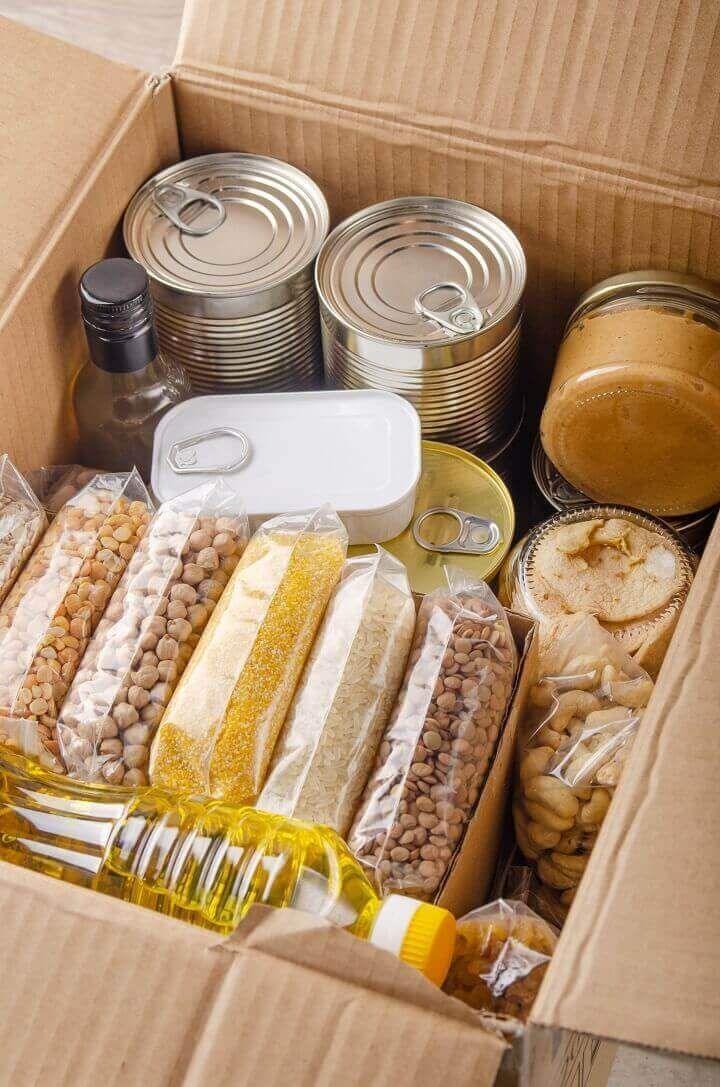
What is in each parcel
The staples a family needs to cook real meals, chosen to store well without refrigeration:
- Rice, bulgur and lentils
- Vegetable oil, sugar and salt
- Canned tuna, tomato paste and canned vegetables
- Pasta and tea
A full breakdown of how a parcel is built is in what's inside a family food ration.
For diaspora donors
Individual donors sponsor a parcel or a monthly plan for a specific family — we deliver, then confirm, so you know your gift reached a real table (how that works: delivery & confirmation). If you are giving from outside Lebanon, the sending rations from abroad guide covers the whole process.
Sources
- UNHCR Lebanon — situation of refugees in Lebanon, including the annual vulnerability assessment (VASyR).
- World Food Programme — Lebanon — food-security context and response.