Wondering how to donate a food parcel to a family in Lebanon while you live abroad? The process is deliberately short: you handle the intent, we handle the logistics. Here is the full picture — including how payment works, what happens after delivery, and what changes when you order at scale.
The four steps
- 1. Get in touch. Message us on WhatsApp or use the contact form. Tell us whether it is a one-time parcel or a monthly sponsorship, and whether it's for a family we select or one you name (many diaspora donors support specific relatives or neighbours).
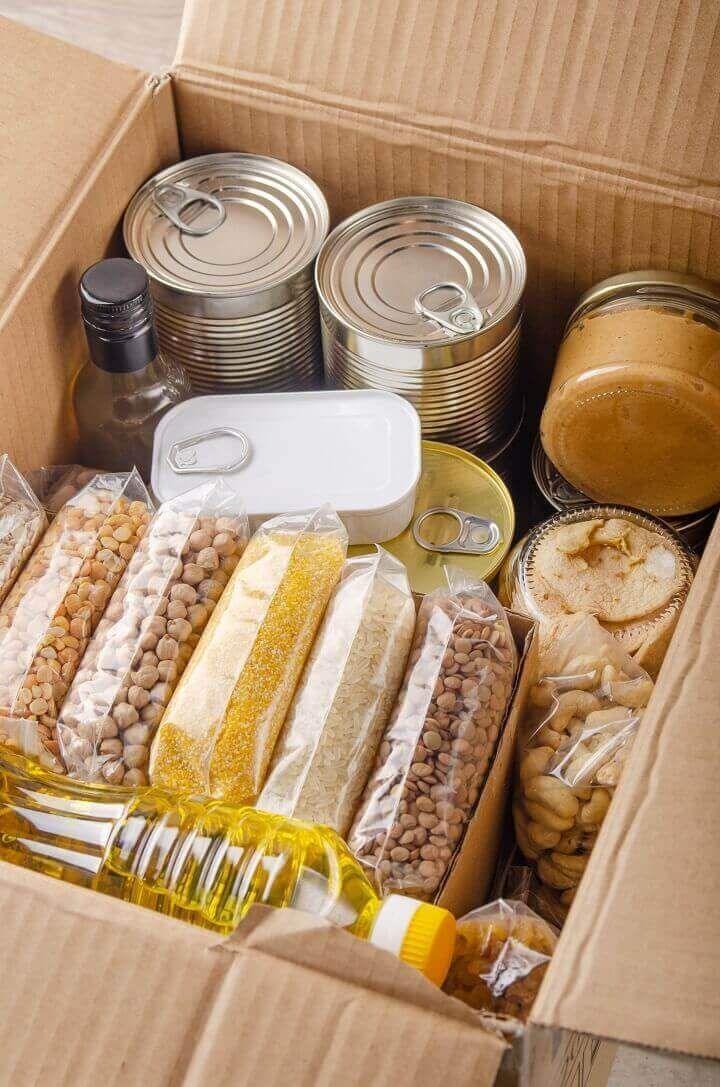
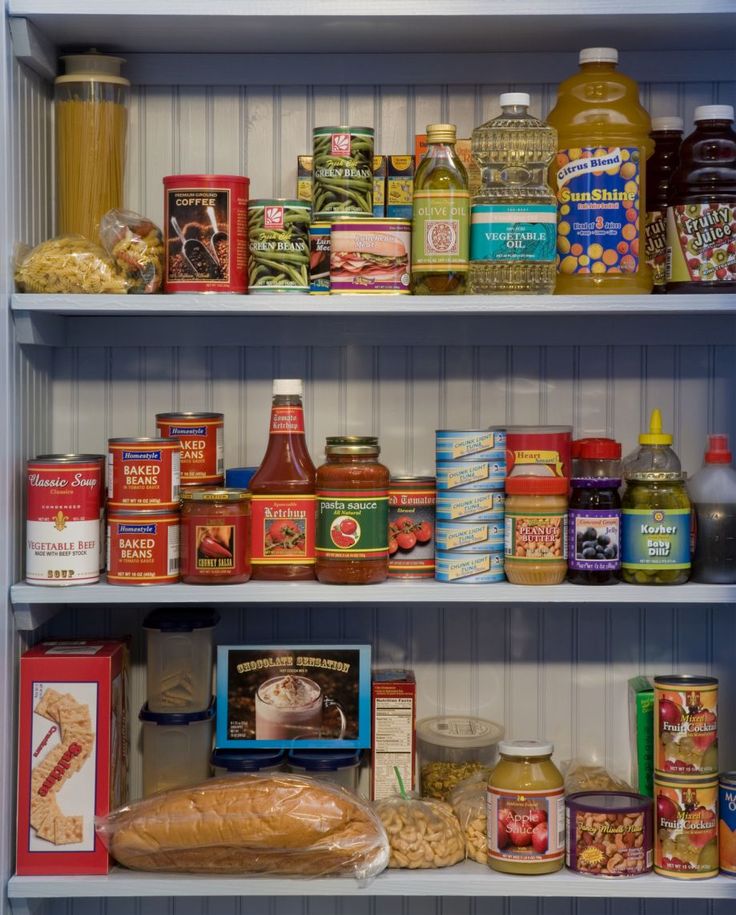
- 2. We assemble the parcel. Halal staples — rice, bulgur, lentils, oil, canned goods, tomato paste, pasta, tea — packed to the same standard we have run for four decades as a foodstuff distributor. Curious exactly what goes in? See what's inside a family food ration.
- 3. We deliver. Our network moves the parcel to the family through trusted local contacts — the same distribution routes our commercial goods travel every week.
- 4. You get a confirmation. We confirm the delivery is complete, so you know your gift arrived. Details of how that works are on the delivery & confirmation page.
How payment works
For now, ordering and payment are arranged directly with our team — bank transfer or the method that suits your country. It is the fastest and most flexible option, whether you are sponsoring one parcel or funding a campaign, and it means a real person confirms your order before anything is charged.
One-time or monthly?
A one-time parcel is the right way to start. But hunger is monthly, and so is the most useful giving: a monthly food basket lets the family plan meals because they know when the next basket arrives — and it takes one conversation to set up.
Donating at scale
Mosques, associations and charities can order hundreds or thousands of parcels in one program, with contents tailored to their budget and delivery confirmation suitable for donor reporting. That flow is described on bulk food rations for charities & NGOs, and companies can run the same thing as a CSR food relief program.